Overview and Core Features
This template is built as a Joomla fashion store front end, targeted at boutiques, clothing brands, accessories shops, and beauty retailers that need a fast start without building a theme from scratch. OrdaSoft packages it as a complete site based on Joomla, including template, demo data, and necessary extensions. The core concept is simple: install, replace demo content, configure payments, and start selling.
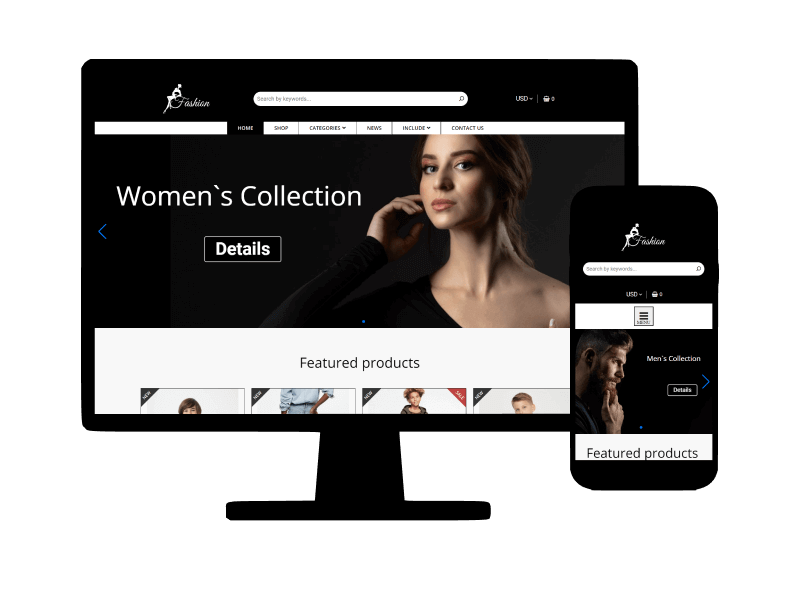
The template supports a fully functional online store with product listings, categories, shopping cart, and ordering workflow. It is designed to showcase collections with large visuals, sliders, and product grids, helping fashion brands keep imagery at the center of the experience.
Design and UX
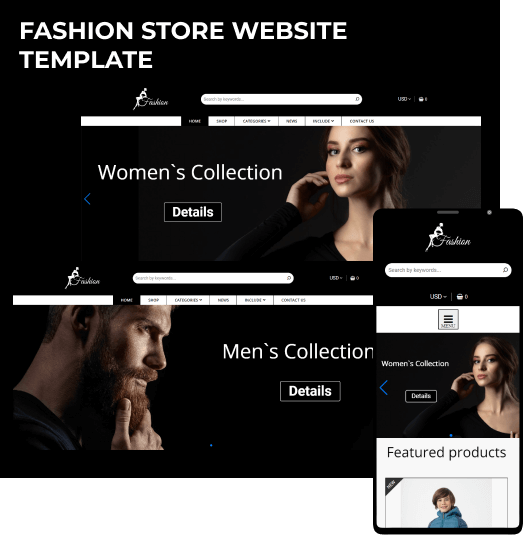
The visual style is modern and clean, focused on trend‑oriented fashion layouts with large imagery and minimalistic typography. Pages are structured to keep the attention on product photos and lookbooks rather than heavy UI elements. This suits clothing and accessories shops that rely on visual appeal.
The layout is responsive, adapting to desktop, tablet, and mobile screens. Navigation is straightforward, with clear menus and product categories, making it suitable for users who expect fast browsing on phones. However, the design language is fairly generic; while professional, it does not strongly differentiate the brand unless you invest time in customizing colors, fonts, and imagery.
Technical Stack and Installation
The Fashion Store template uses Joomla as its CMS foundation and leverages OrdaSoft’s ecosystem of Joomla templates and extensions. A key technical advantage is the Quickstart Installation Package, which installs Joomla, the template, required extensions, and demo content in one step. This reduces setup friction: you get a working site that looks like the demo, then adjust content and configuration.
The template is coded to be fully responsive and compatible with modern browsers. It is suitable for typical shared hosting environments that support Joomla. OrdaSoft also maintains other business and eCommerce templates with similar technical foundations, suggesting recurring patterns in code quality and structure across their catalog.
eCommerce and Content Features
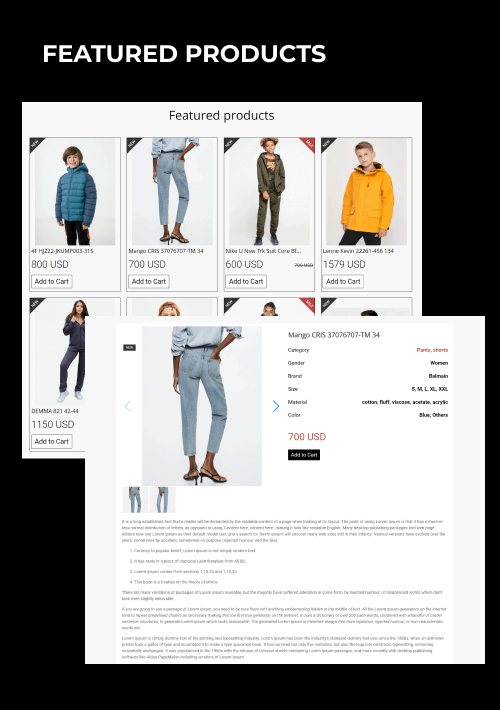
As a fashion store front end, the template is geared toward online catalog and sales flows. It includes product listing pages, product detail views, and integration with a shopping cart component, enabling price display, product variations, and checkout.
Content‑wise, you can create blogs, lookbooks, and campaign pages using Joomla’s article system and additional modules. Image sliders and galleries allow you to feature seasonal campaigns or spotlight collections. For a small or medium fashion operation, these features cover most business needs without requiring extra theming.
Pros: Where the Template Excels
The template’s main advantages include:
1. Fast deployment with Quickstart. The all‑in‑one package accelerates the launch of a production‑ready fashion site for users comfortable with Joomla hosting.
2. Fashion‑focused structure. Layouts and modules are tuned for clothing and accessories: product grids, hero banners, and visuals that highlight garments and collections.
3. Responsive and mobile‑ready. The design adapts to multiple screen sizes, which is essential for mobile shoppers in the fashion segment.
4. Integrated eCommerce capabilities. You can manage products, categories, and orders directly within the Joomla environment using included or compatible extensions.
5. Part of a mature ecosystem. OrdaSoft has a broader portfolio of Joomla templates and extensions, which can be combined or extended over time as your site grows.

Cons and Weak Points
Despite its strengths, there are notable trade‑offs that technical buyers should evaluate:
1. Joomla dependency. The template is tightly coupled with Joomla. Teams standardized on WordPress, Shopify, or headless stacks will face migration or retraining costs. Ongoing updates must align with Joomla releases, which is an operational consideration.
2. Limited design uniqueness out of the box. The default look is clean but not highly distinctive. Without deliberate customization (typography, color system, UX refinements), sites can resemble many other fashion templates on the market. For brands seeking a strong identity, this means extra design work or developer involvement.
3. Customization complexity. While Joomla templates are configurable, deeper structural changes require familiarity with Joomla’s templating system, module positions, and sometimes PHP/HTML edits. Non‑technical users may quickly hit a ceiling and need developer support to achieve advanced layouts or bespoke interactions.
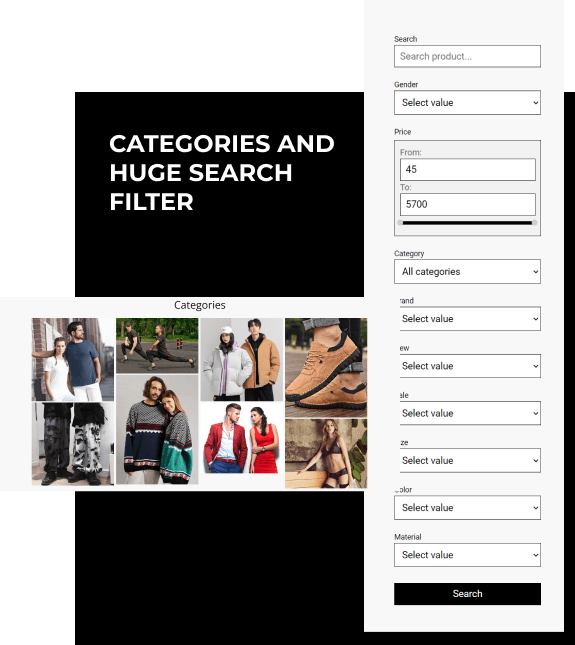
4. Competitive template landscape. The broader market for fashion and clothing templates (including WordPress, Shopify, and other CMS ecosystems) is large and highly competitive. Some alternatives offer richer visual builders, no‑code customization, or specialized fashion features such as advanced filters or integrated marketing tools.
Who It Suits Best
The Fashion Store Website Template fits teams that:
– Already use or accept Joomla as their CMS of choice.
– Want a ready‑made fashion storefront with sane defaults rather than a blank canvas.
– Have at least minimal technical capacity to manage hosting, Joomla updates, and occasional template tweaks.
It is less ideal for organizations that prioritize drag‑and‑drop page building, headless architectures, or deeply custom design systems driven by in‑house UX teams.

Conclusion
The OrdaSoft Fashion Store Website Template provides a stable, fashion‑oriented Joomla base for online clothing and accessories stores, with a strong Quickstart package, responsive layouts, and integrated eCommerce support. Its main limitations lie in its Joomla‑only focus, relatively generic default styling, and the technical overhead required for significant customization. For small to medium fashion brands comfortable with Joomla and seeking a quick, affordable way to get an attractive store online, it is a practical and efficient option. For design‑driven or highly custom projects, it is better treated as a starting point to be extended rather than a final, out‑of‑the‑box solution.