Visual Identity and User Experience
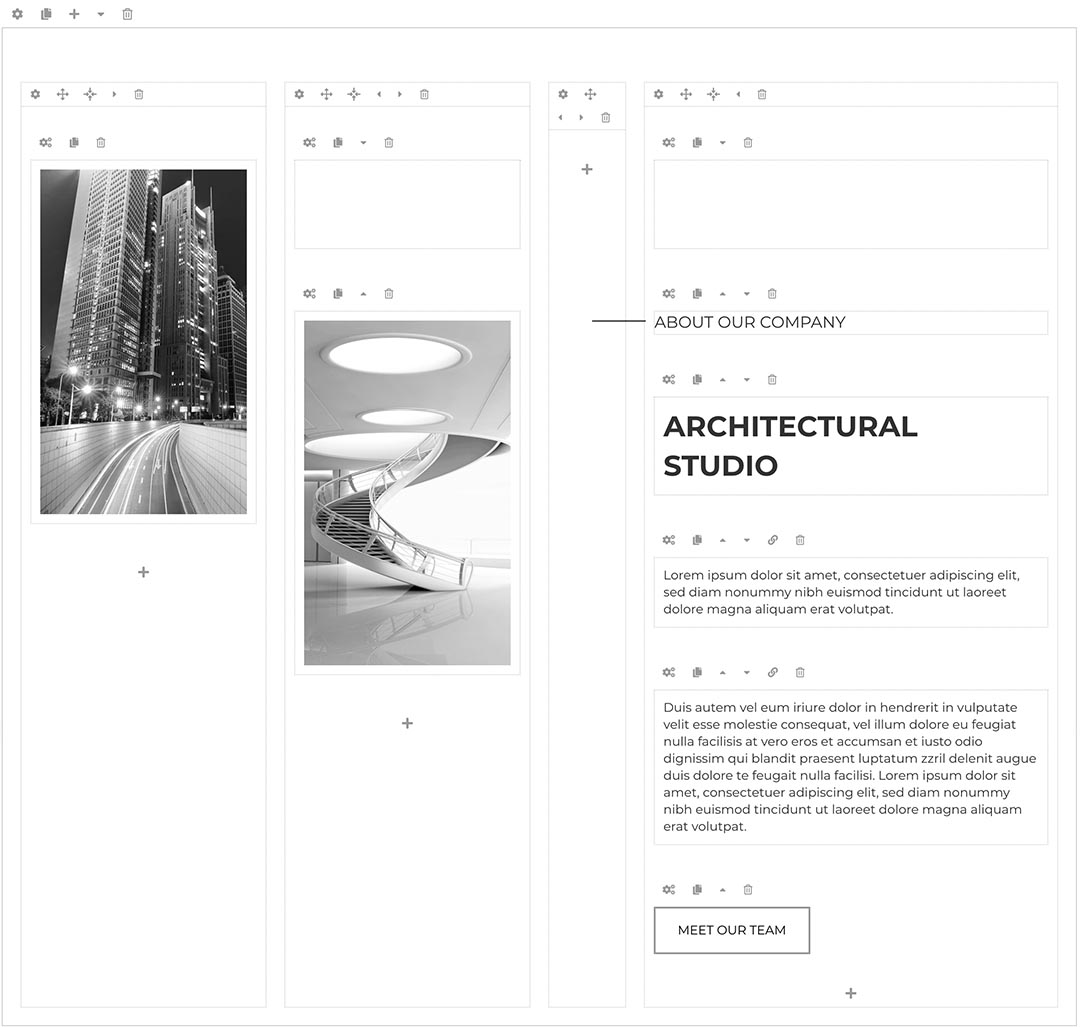
The primary strength of this template lies in its visual storytelling capabilities. Architecture is a visual industry. The template utilizes large-scale image placeholders and clean, structured layouts. These elements are essential for showcasing high-resolution project portfolios. The design follows a minimalist philosophy. It uses plenty of white space to prevent visual clutter. This allows the user's work to remain the central focus. The typography is modern and legible. It conveys a sense of precision and structural integrity. This alignment with industry standards is a significant advantage for professional branding.
The user interface (UI) is intuitive. Navigation menus are clearly defined. This ensures that potential clients can easily locate services, portfolios, and contact information. The user experience (UX) is optimized for a smooth browsing journey. There is a logical flow to the content hierarchy. This structure reduces bounce rates and keeps visitors engaged with the firm's projects.
Technical Performance and SEO Integration
From a technical standpoint, the template is exceptionally well-coded. It adheres to modern web standards. The framework is lightweight and optimized for rapid loading speeds. Speed is a critical factor in modern web performance. This template minimizes heavy scripts that typically slow down construction websites. Fast loading times directly benefit Search Engine Optimization (SEO). The code structure is SEO-friendly. It allows search engine crawlers to index content efficiently. This is vital for firms competing in local and global markets.
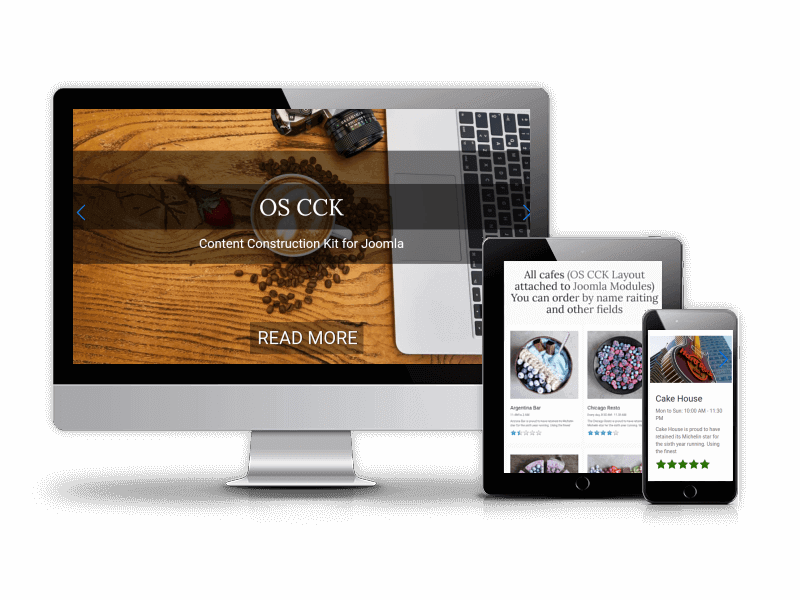
Responsiveness is another core pillar of this template. The architecture of the site adapts fluidly to desktops, tablets, and smartphones. The mobile-first approach ensures that blueprints and project galleries remain viewable on small screens. This capability is non-negotiable in a mobile-dominated era. The template uses a fluid grid system. This ensures that layout elements resize proportionally without breaking the design.
Customization and Feature Set
The template is built specifically for the Joomla CMS. It leverages the native power of Joomla modules and plugins. Users can easily integrate contact forms, map integrations, and project sliders. The template is designed to be modular. This means developers can rearrange components to suit specific business needs. For firms requiring a service-oriented layout, the template provides pre-configured zones. These zones make it easy to list expertise, such as urban planning, interior design, or structural engineering.
Critical Analysis: Identifying the Weak Points
Despite its strengths, the template has noticeable limitations. The most significant weakness is its lack of versatility. The design is so heavily tailored to the architectural niche that repurposing it for a different industry—such as a law firm or a retail store—is nearly impossible without a complete redesign. It is a specialized tool, not a multipurpose solution.
Furthermore, there is a technical barrier to entry. While basic setup is simple, achieving the exact look seen in the demo requires a solid understanding of Joomla's module positioning. Users who are not comfortable with CSS or backend configuration may struggle with advanced layout changes. Additionally, the reliance on specific high-quality imagery is a hidden challenge. The template's beauty depends entirely on the user's ability to provide professional photography. Without stunning visuals, the template can appear empty or unfinished.
Final Verdict
The Architecture Template is a premium choice for its intended audience. It delivers a sophisticated, high-performance platform for architects and engineers. The technical optimization and professional design provide an immediate competitive edge. While it lacks the flexibility of a general-purpose template, it excels in its specific domain. For professionals looking to establish a robust digital presence, this template is a highly recommended investment.