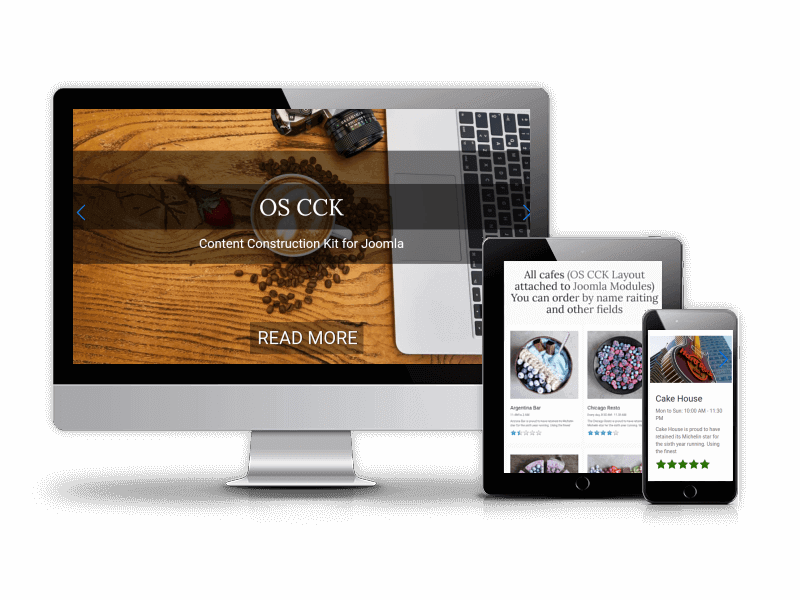
Before diving into the technicalities, here is a quick summary of the template's performance: Pros: Highly responsive design, SEO-optimized code structure, and industry-specific visual hierarchy. Cons: Steep learning curve for advanced CSS customization and heavy reliance on third-party extensions for complex functional logic.
Visual Architecture and User Interface
The Template Insurance follows a clean, minimalist design philosophy. It utilizes a structured layout that prioritizes information hierarchy. The use of whitespace is strategic. It prevents cognitive overload for users seeking specific insurance details. The color palette is professional, often utilizing blues and whites to evoke stability and reliability.
The interface is built with mobile-first principles. It adapts seamlessly across desktops, tablets, and smartphones. Navigation menus are intuitive. This ensures that users can find policy information or contact forms with minimal friction. The typography is legible, which is critical for displaying dense insurance terms and conditions.
Technical Specifications and SEO Readiness
From a developer's perspective, the template is built on modern web standards. It leverages lightweight CSS and optimized JavaScript. This reduces page load times significantly. Fast loading speeds are a vital component of both user experience and search engine rankings. The code is clean and semantic, making it easier for crawlers to index content accurately.
The template includes built-in features for SEO optimization. It supports proper header hierarchies (H1 through H6). This allows developers to implement a robust content strategy easily. Furthermore, the compatibility with various Joomla extensions ensures that developers can integrate essential tools like contact forms, sliders, and testimonial modules without breaking the core layout.
Analysis of Weak Points
Despite its strengths, the Template Insurance is not without vulnerabilities. The primary weakness lies in its structural rigidity. While the template provides a great foundation, deviating significantly from the original design requires advanced CSS knowledge. Beginners may find it difficult to reconfigure the layout without accidentally disrupting the responsiveness.
Another critical point is the functional dependency. The template provides the "look" of an insurance portal, but it does not provide the "logic." To implement a functional insurance premium calculator or a real-time quote engine, users must integrate complex third-party plugins. This increases the complexity of the backend management and can potentially impact site performance if not managed correctly.
Final Verdict
The Template Insurance is an excellent choice for established insurance firms looking to refresh their digital presence. It excels in delivering a professional, trustworthy aesthetic out of the box. While it requires technical competence to implement advanced features, its SEO-friendly architecture and responsive nature make it a high-value asset for Joomla developers.
For those seeking a turnkey solution that prioritizes branding and speed, this template is highly recommended. However, agencies requiring deep, custom-coded functional logic should prepare for additional development overhead.